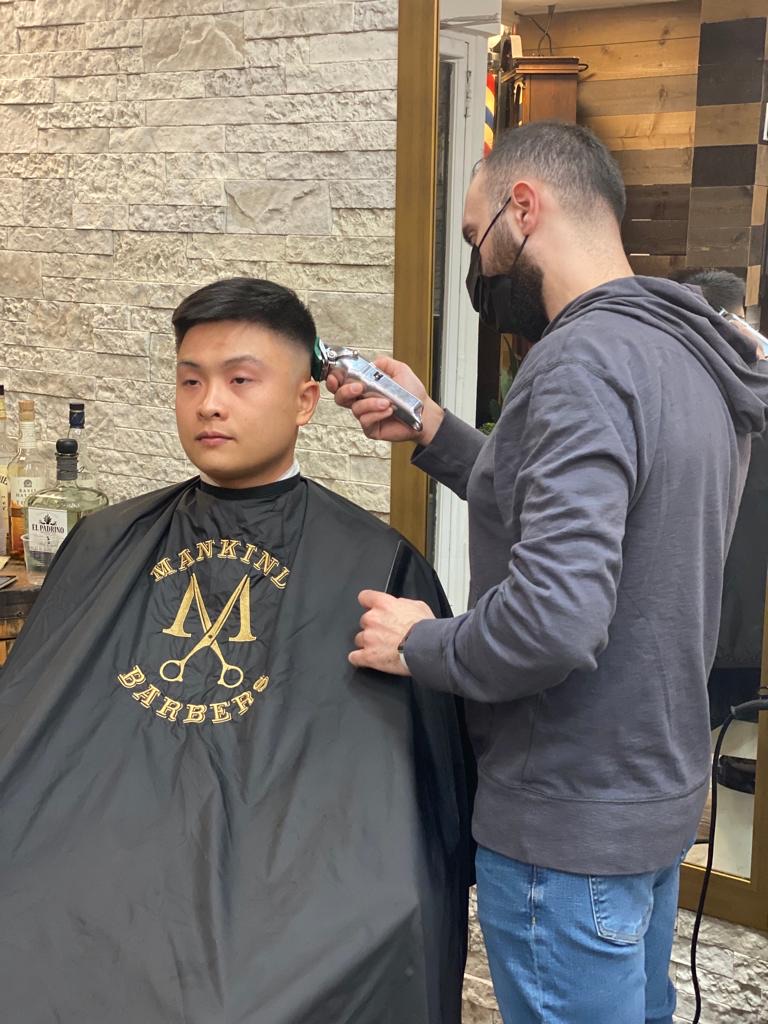
The Role of Hair Texture in Choosing the Right Modern NYC Style

The Role of Hair Texture in Choosing the Right Modern NYC Style

Discover how hair texture plays a crucial role in choosing the right modern NYC style. This guide offers insights into selecting hairstyles that complement various textures while staying on-trend in New York City.

How does the porosity of different hair textures influence the choice of modern styling products in urban fashion?

The porosity of different hair textures plays a crucial role in determining the most suitable modern styling products for urban fashion, as it affects how well hair absorbs moisture and retains styles. For instance, low-porosity hair tends to resist product penetration due to its tightly closed cuticles; therefore, lightweight serums and water-based sprays are often recommended to avoid buildup while providing necessary hydration. Conversely, medium-porosity hair can benefit from a variety of styling aids that enhance curls or waves without overwhelming the strands; creams with balanced oils work effectively here. High-porosity hair is more absorbent but also prone to frizz and damage; thus, heavy-duty moisturizers like leave-in conditioners or oils enriched with proteins are essential for sealing in moisture and maintaining style integrity amid environmental stressors typical in urban settings. Additionally, considerations such as humidity levels influence choices—products containing anti-humectants may be prioritized by individuals with high-porous texture living in humid areas to combat excess moisture absorption that leads to unmanageable frizz. In essence, understanding these relationships between porosity types and product formulations enables individuals within diverse communities of urban fashion enthusiasts not only to maintain their desired looks but also promote healthy scalp conditions amidst varying climates and lifestyles through informed selection of appropriate hairstyling solutions tailored specifically for their unique needs based on texture characteristics.

For those seeking top-notch grooming services, Queens Men’s Grooming Specialists provides tailored solutions that enhance your appearance and boost confidence. By choosing their expert services, you can expect a refined look that complements your personal style and meets all your grooming needs. To learn more about how these specialists can elevate your grooming routine, visit understanding how seasonal factors shape nyc styles

In what ways do varying curl patterns affect the suitability of layered cuts versus blunt styles for contemporary looks?

Curl patterns significantly influence the choice between layered cuts and blunt styles, impacting not only the aesthetic appeal but also the manageability of hair. For individuals with tighter curl patterns, such as 3B or 4A curls, layered cuts can enhance volume and movement by allowing each curl to bounce freely without being weighed down. This results in a dynamic look that celebrates natural texture while preventing excessive bulk at the ends. Conversely, those with looser waves or straight textures may find blunt styles more suitable; these looks provide a sleek finish that emphasizes shine and uniformity across strands. Blunt cuts work well for fine hair types too because they create an illusion of thickness without adding layers that could lead to frizz or poofiness in wavy locks. Furthermore, contemporary trends often highlight how different lengths interact with varying curl structures; shorter layers on curly hair can showcase face-framing effects while longer blunt edges might elongate features elegantly for straighter textures. In styling terms, products like leave-in conditioners or anti-frizz serums play pivotal roles depending on cut choices—layered hairstyles benefit from lightweight creams promoting definition whereas thicker gels are ideal for maintaining control in blunter shapes amidst humidity fluctuations. Ultimately, understanding one's unique curl pattern is essential when selecting between these two iconic haircut styles to ensure both style versatility and ease of maintenance are achieved effectively in daily routines.

What impact does natural wave formation have on selecting trendy updos or casual hairstyles among individuals with textured hair?

Natural wave formation plays a significant role in the choice of trendy updos and casual hairstyles for individuals with textured hair, as it influences both aesthetic appeal and styling techniques. The inherent patterns found in curly, coily, or wavy textures often lend themselves to styles that embrace volume and movement rather than straightened looks. As natural waves create unique shapes and silhouettes, many opt for relaxed bun styles or half-up dos that showcase their curls’ beauty while maintaining ease of maintenance; these choices highlight the texture’s bounce without requiring excessive heat manipulation or chemical treatments. Additionally, accessories like headbands or decorative pins can enhance an updo by adding flair while complementing the natural curl pattern. Textured hair enthusiasts may also gravitate toward protective styles such as braids or twists that not only celebrate their roots but also promote healthy growth through low manipulation practices. Overall, understanding how natural wave formation impacts hairstyle selection encourages individuals to embrace versatile options—like tousled ponytails paired with soft tendrils—that reflect personal style trends while being practical for everyday wear. This appreciation fosters confidence among those with textured hair as they navigate current fashion movements within contemporary hairstyling culture.

How can understanding elasticity in hair texture guide decisions regarding heat styling techniques and protective measures in current trends?

Understanding elasticity in hair texture is crucial for making informed decisions about heat styling techniques and protective measures, especially in the context of current trends. Hair elasticity refers to its ability to stretch and return to its original shape without breaking, which varies significantly among different hair types such as straight, wavy, curly, or coily. For individuals with high elasticity typically found in curly or textured hair, excessive heat can lead to damage like breakage or split ends due to weakened protein bonds; therefore, using lower temperatures during styling tools like curling irons and flatirons becomes essential. Moreover, incorporating protective styles that reduce manipulation—such as braids or updos—and utilizing thermal protectants rich in ingredients like argan oil or shea butter helps maintain moisture levels while shielding against heat-induced harm. Additionally, those with low elasticity may benefit from regular deep conditioning treatments and strengthening masks containing keratin-based formulations that enhance structural integrity before any heated application occurs. Current trends also emphasize the use of innovative technologies such as steam stylers that minimize direct contact with extreme temperatures while still achieving desired looks; thus promoting healthier practices overall within hairstyling routines. Overall awareness of how one’s unique hair characteristics interact with stylistic choices leads not only towards more effective beauty strategies but also fosters a culture focused on nurturing healthy natural textures amidst ongoing fashion evolutions.

What role does density play when determining appropriate color treatments and highlighting methods for diverse modern hairstyles?

Density plays a crucial role in determining the appropriate color treatments and highlighting methods for diverse modern hairstyles, as it significantly influences how hair absorbs color and reflects light. For instance, thick or dense hair often requires more powerful bleaching agents to achieve vibrant hues because its multiple layers can inhibit even penetration of dye. Conversely, fine or thin hair may absorb colors quickly but can also become easily overwhelmed by heavy products; thus lighter toners or subtle highlights are usually recommended to prevent damage while still achieving a fresh look. Moreover, different density levels affect the overall vibrancy of shades applied—thicker strands tend to hold onto pigment longer and exhibit richer tones compared to finer strands that might appear pastel-like after treatment. Highlighting techniques such as balayage or foiling must be adapted accordingly; denser hair could benefit from chunkier highlights for contrast, whereas fine-haired individuals might prefer delicate babylights that add dimension without overloading their tresses. Additionally, other factors like porosity come into play since high-density locks with low porosity resist chemical absorption better than those with higher porosity levels. Thus understanding each client’s unique combination of texture density is essential when stylists choose formulations ranging from semi-permanent dyes to permanent solutions while ensuring optimal shine and longevity in any coloring endeavor within the realm of contemporary hairstyling trends.

Frequently Asked Questions

Hair texture significantly influences the selection of contemporary hairstyles in New York City, with distinct preferences emerging for curly and straight hair types. Curly-haired individuals often gravitate towards styles that embrace their natural coils, such as layered cuts that enhance volume and dimension or protective styles like braids and twists that minimize heat damage while showcasing intricate patterns. In contrast, those with straight hair frequently opt for sleek looks—such as long bobs (lobs), blunt cuts, or polished ponytails—that highlight shine and smoothness. Additionally, styling techniques differ; curly textures may utilize curl creams and leave-in conditioners to define curls without frizz, whereas straight-haired individuals might rely on serums or flat irons to achieve a glass-like finish. Overall, the choice of hairstyle reflects an understanding of how specific products interact with each texture’s unique characteristics while catering to urban lifestyles where practicality meets trendiness.

For maintaining sleek styles in textured hair within the humid NYC climate, products such as lightweight leave-in conditioners and anti-frizz serums are essential. Silicone-based smoothing creams can create a barrier against moisture while enhancing shine, making them ideal for combating humidity-induced puffiness. Additionally, using a nourishing oil like argan or jojoba promotes hydration without weighing down curls or coils. Heat protectant sprays are also crucial when styling with hot tools to maintain smoothness and prevent damage from high temperatures. Finally, finishing sprays that offer strong hold yet flexibility help lock in styles while allowing movement, ensuring that the natural texture remains defined and frizz-free throughout the day.

Layering techniques, such as point cutting and slide cutting, are particularly effective for enhancing coily or wavy textures to achieve trendy looks. These methods allow for the removal of bulk while maintaining the natural shape and movement of curls or waves, creating a more dynamic silhouette. Utilizing techniques like curly layering can prevent pyramid shapes and promote bounce in coily hair types, whereas soft texturizing with shears on wavy textures helps define wave patterns without compromising volume. Additionally, incorporating face-framing layers can accentuate facial features while adding depth and dimension throughout the haircut. Overall, these specialized approaches ensure that textured hair not only aligns with contemporary styles but also embraces its unique characteristics for stunning results.

Individuals with fine, textured hair can enhance volume in trendy NYC hairstyles by utilizing lightweight volumizing mousses and texturizing sprays that provide lift without weighing down their strands. Incorporating techniques such as root lifting when blow-drying, using a round brush for added bounce, or opting for soft waves instead of tight curls can create the illusion of fuller hair. Additionally, they might consider strategic layering to add movement and dimension while avoiding excessive heat styling tools that could lead to damage. Choosing styles like tousled bobs or airy updos can further amplify body and texture; this allows individuals to embrace their natural hair characteristics while achieving chic looks reflective of urban fashion trends. Regular use of hydrating treatments will also maintain strand integrity, ensuring healthy shine alongside enhanced volume in everyday hairstyles.

Cultural influences significantly shape modern hairstyling trends across the diverse communities of New York City, particularly in how different hair textures are celebrated and styled. Within Afrocentric neighborhoods, for instance, natural hairstyles such as afros, braids, and locs are not only expressions of identity but also acts of cultural pride that resonate with historical narratives around race and beauty standards. In contrast, among Asian American populations, sleek styles like straightened bobs or layered cuts often reflect a fusion of traditional elegance with contemporary fashion sensibilities. Hispanic communities might showcase vibrant colors and textured waves that highlight individualism while drawing from rich heritage practices such as cabello suelto or intricate updos for festive occasions. The intersectionality within these stylistic choices illustrates how global influences—ranging from social media platforms to celebrity endorsements—intertwine with local customs to create eclectic yet cohesive hairstyling movements uniquely reflective of each community's values and aesthetics in NYC’s cosmopolitan landscape.
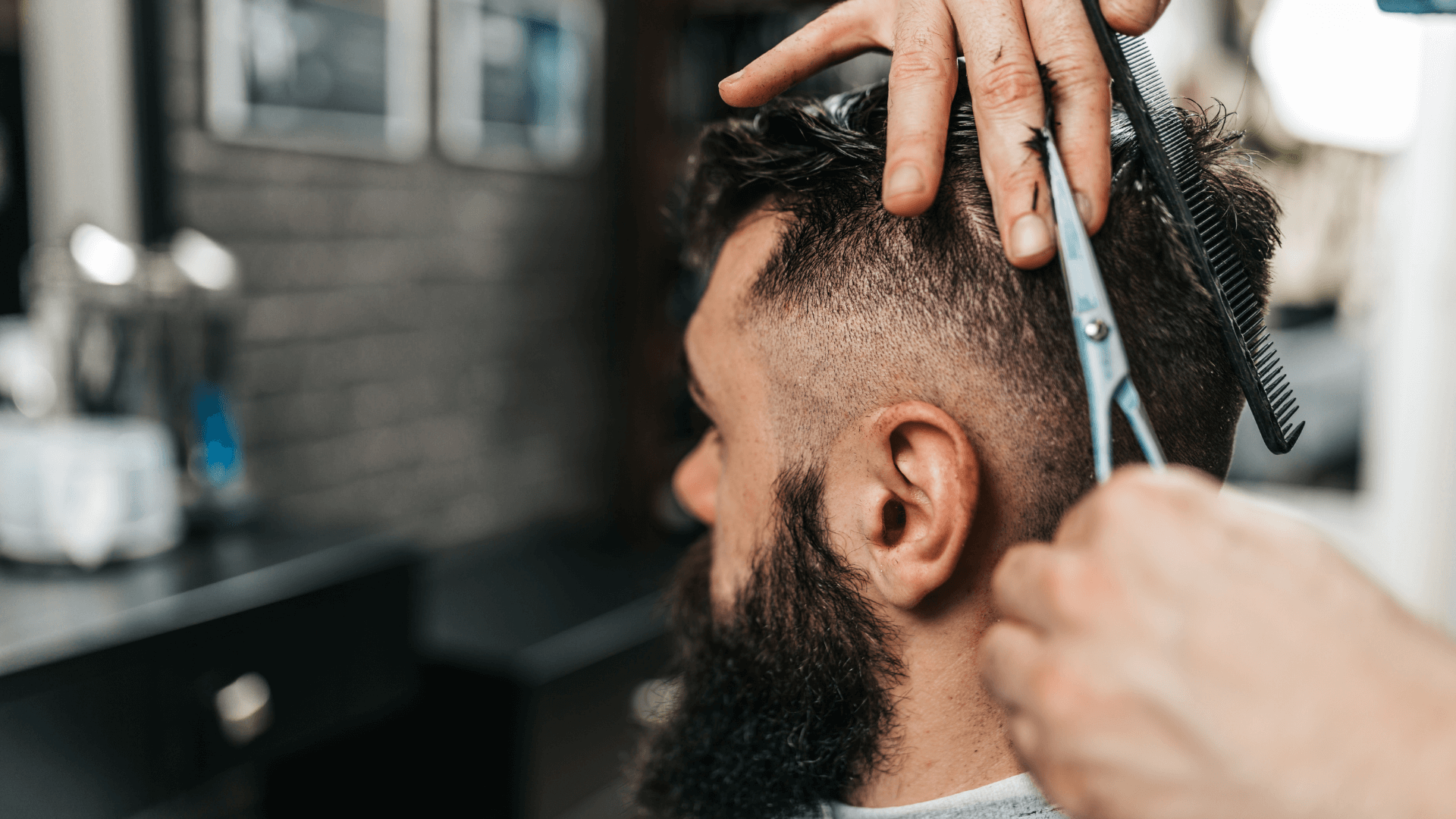
The Role of Hair Texture in Choosing the Right Modern NYC Style

The Role of Hair Texture in Choosing the Right Modern NYC Style

Contact Us

Mankind Barbers NYC

  • Address: 328 East 66th Street, East Store, New York, NY 10065
  • Phone: (718) 644-9536
  • Email: mankindbarbersnyc@mail.com

© Copyright - All Rights Reserved